A freelance cover letter is often one of the first things a potential client sees when reviewing an application. That makes it an important opportunity to communicate your relevance before the client looks through your portfolio or profile.
The mistake many freelancers make is treating a cover letter like a traditional employment letter. They write long introductions, list every skill they have, and spend most of the message talking about themselves.
Freelance clients usually care more about whether you understand their project and can deliver the required work. A concise, customized, client-focused message can therefore be more useful than a long generic application.
1. What Is a Freelance Cover Letter?
A freelance cover letter is a short introduction that accompanies your application for a freelance project. It gives you space to explain why you are relevant to the specific opportunity.
Depending on where you apply, it may be called a proposal, cover letter, application message, pitch, introduction, or bid.
Although the names differ, the basic objective is similar: help the client understand who you are, what you understand about the project, and why your skills may be a good match.
2. Read the Project Carefully
Before writing anything, read the entire project description carefully.
Pay attention to the client's desired outcome, required skills, project scope, deadlines, target audience, preferred tools, and any questions they have specifically asked applicants to answer.
This step is important because your cover letter should respond to the actual project rather than describe your career in general.
Look for the client's priorities
- What problem are they trying to solve?
- What result do they want?
- Which skills are specifically required?
- What deadline or constraints are mentioned?
- Did the client ask a specific question?
3. Start With a Relevant Opening
Your opening should quickly establish relevance.
Avoid starting with several paragraphs about your personal background. Instead, connect your first sentence or two to the client's project.
For example, if the client needs a writer to improve product descriptions, you could begin by acknowledging the need for clearer product-focused copy.
The client should immediately feel that you actually read their project instead of sending a message to everyone who posts a job.
4. Show That You Understand the Client
A good cover letter demonstrates understanding.
Briefly explain what you believe the client needs and what the main objective appears to be.
This does not need to be a detailed analysis. One or two accurate observations can be enough to demonstrate that you have paid attention.
If the project description is unclear, avoid making confident assumptions. Instead, identify the part that needs clarification and ask a useful question.
5. Highlight the Most Relevant Skills
Do not list every skill you have.
Choose the two or three abilities that are most relevant to the project.
For example, if a client needs blog content, relevant skills might include research, long-form writing, editing, SEO fundamentals, and content organization.
If they need administrative support, organization, communication, scheduling, documentation, and spreadsheet skills may be more relevant.
The goal is to make your application easier to evaluate, not to create the longest possible list of abilities.
6. Explain Relevant Experience
When you have relevant experience, connect it directly to the project.
Instead of simply saying "I have five years of experience," explain what type of work that experience involved and why it is useful for this particular project.
Specific experience is usually more persuasive than vague claims.
A useful experience statement can include
- Type of work completed
- Relevant industry or audience
- Tools or methods used
- Type of result delivered
7. Use Portfolio Examples Strategically
A portfolio can provide evidence that you can perform the work. But you do not need to send every project you have ever completed.
Select one or two examples that are closely related to the client's needs.
If possible, briefly explain why each example is relevant.
For example, instead of simply writing "Here is my portfolio," explain that a particular sample demonstrates your experience with the type of content, design, audience, or workflow the client is looking for.
8. Explain How You Can Help
This is where your cover letter should move from qualifications to the client's actual problem.
Explain briefly how you would approach the work.
You do not need to provide an entire project plan before being hired. Give the client enough information to understand that you have thought about the assignment.
Example approach
- Review the existing materials.
- Identify the main requirements.
- Complete the agreed work.
- Review the deliverables.
- Make the included revisions.
9. Ask Useful Questions
Thoughtful questions can demonstrate that you are considering the project seriously.
However, avoid asking questions simply to make your cover letter longer.
Ask only for information that affects the work, timeline, scope, or expected result.
Examples
- Who is the primary target audience?
- Is there an existing brand or style guide?
- Are there examples you want the project to follow?
- What is the preferred delivery date?
- Are the source materials already prepared?
10. Keep the Cover Letter Concise
A freelance cover letter should generally be easy to scan.
The client may be reviewing many applications, so large blocks of unnecessary text can make your message harder to evaluate.
Use short paragraphs, relevant details, and clear language.
Remove information that does not help answer the question: "Why might this freelancer be a good fit for this project?"
11. Customize Every Application
One of the biggest differences between a generic application and a strong application is relevance.
You can absolutely maintain a reusable cover letter framework. In fact, doing so can save a lot of time.
The important part is customizing the sections that matter.
Customize these elements
- Opening sentence
- Understanding of the project
- Relevant skills
- Portfolio examples
- Proposed approach
- Questions
Keep your general structure, but make the message specific to the opportunity.
12. Common Freelance Cover Letter Mistakes
Mistake 1: Using a generic introduction
A message that could have been sent to any client does little to demonstrate that you understand this particular project.
Mistake 2: Listing every skill
A long skill list can distract from the abilities that actually matter for the project.
Mistake 3: Making unrealistic promises
Avoid guaranteeing results you cannot control. Explain what you can deliver instead.
Mistake 4: Repeating the entire job description
You only need to demonstrate your understanding. Rewriting the client's entire post adds unnecessary length.
Mistake 5: Talking only about yourself
Your experience matters, but connect it to the client's problem and desired outcome.
Mistake 6: Forgetting the next step
End by making it clear how the client can continue the conversation or provide the information needed to move forward.
13. Simple Freelance Cover Letter Structure
You can use this framework as a starting point for most freelance applications.
- Opening: Mention the client's project and show relevance.
- Understanding: Briefly explain the problem or objective.
- Skills: Mention your most relevant abilities.
- Experience: Give a concise example of related work.
- Portfolio: Share one or two useful samples.
- Approach: Explain how you would handle the assignment.
- Questions: Ask anything important that remains unclear.
- Closing: Suggest a clear next step.
14. What If You Have No Experience?
Beginners often believe they cannot write a strong freelance cover letter because they have never worked with a paying client.
Lack of client experience does not mean you have nothing to demonstrate.
You can discuss relevant education, personal projects, practice projects, volunteer work, previous employment, transferable skills, or work you created specifically to demonstrate your ability.
The important rule is honesty. Do not present a practice project as paid client work.
Focus on what you can demonstrate
- Your understanding of the task
- Your relevant skills
- Your work samples
- Your communication
- Your willingness to learn
- Your realistic approach to the project
Make Your First Two Sentences Count
The beginning of your cover letter has an important job: convince the reader that the rest of the message is worth reading.
Instead of opening with a generic statement such as "I am a highly motivated freelancer with excellent skills," start with something connected to the actual project.
This simple change can make your application feel much more personal and relevant.
Focus on the Client's Outcome
Clients usually hire freelancers because they want something accomplished.
They may want a website improved, content produced, administrative work organized, leads researched, graphics created, or a business process supported.
Your cover letter becomes stronger when your skills are connected to that desired outcome.
Instead of simply saying what you can do, explain how what you can do relates to what the client needs.
Proof Is Stronger Than Empty Claims
Saying that you are reliable, creative, organized, detail-oriented, or hardworking is easy.
Showing evidence is more useful.
Whenever possible, support your claims with examples of work, relevant experience, measurable project details, or a clear explanation of how you approach the assignment.
Frequently Asked Questions
How long should a freelance cover letter be?
It should be long enough to explain your relevance, skills, experience, and proposed approach, but concise enough to read quickly. Remove information that does not help the client evaluate your fit.
Should I use the same cover letter for every freelance job?
Use a reusable structure, but customize the important parts for every project. Your opening, relevant skills, examples, and understanding of the client's needs should reflect the specific opportunity.
Should beginners mention that they have no experience?
Be honest about your experience. Instead of focusing heavily on what you lack, emphasize relevant skills, practice projects, transferable experience, and evidence of your ability.
Should a freelance cover letter include pricing?
If the client or platform asks for pricing, provide a clear quote that matches the project scope. If pricing is handled separately, there may be no need to repeat it in the cover letter.
Should I include my portfolio link?
If the project requires examples of your work, including relevant portfolio samples can help. Choose examples that demonstrate skills closely related to the project.
What makes a freelance cover letter stand out?
Relevance, clarity, genuine understanding of the project, useful proof, realistic expectations, and concise communication can make an application easier for a client to evaluate.
Final Thoughts
A freelance cover letter does not need impressive vocabulary or a complicated structure. It needs to communicate the right information clearly.
Start by understanding the project. Then connect your most relevant skills and experience to the client's needs. Add useful proof, explain how you can help, ask important questions, and finish with a clear next step.
Keep a reusable framework so you do not have to start from zero every time. But customize the important sections so each client receives an application that feels genuinely relevant.
Over time, reviewing which applications lead to conversations can also help you improve your approach. The objective is not to send the maximum number of applications. It is to send better applications to projects where your skills are a sensible match.
Related Freelancing Guides
Build the skills and systems that make freelance client outreach more effective.
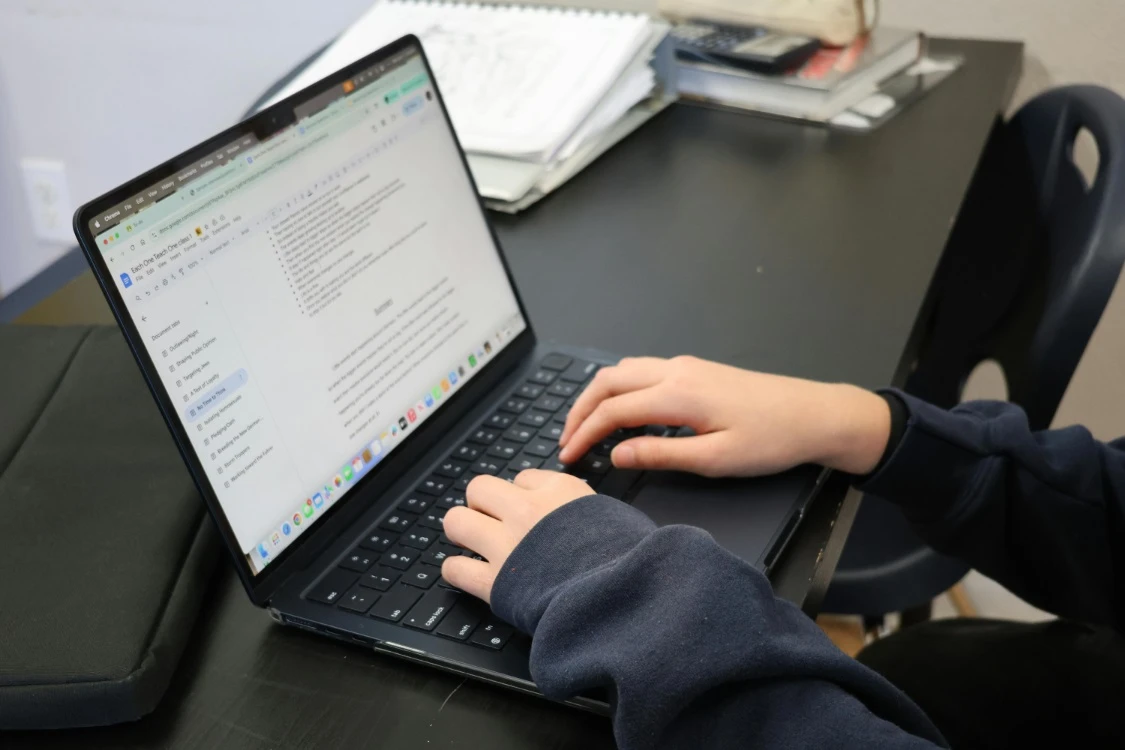
How to Write a Freelance Cover Letter That Gets Noticed
Learn how to create concise, relevant, client-focused cover letters for freelance opportunities.

How to Create a Freelance Profile That Attracts Clients
Build a focused profile that clearly explains your skills, services, experience, and value.

How to Find Your First Freelance Client
Discover practical ways to identify relevant freelance opportunities and start client conversations.
Learn the digital skills behind modern freelance careers.
Explore practical guides covering freelancing, remote work, online income, digital skills, productivity and client growth.